How ChatGPT Images 2.0 Sparked a 1-Billion-Image Creator Boom in India
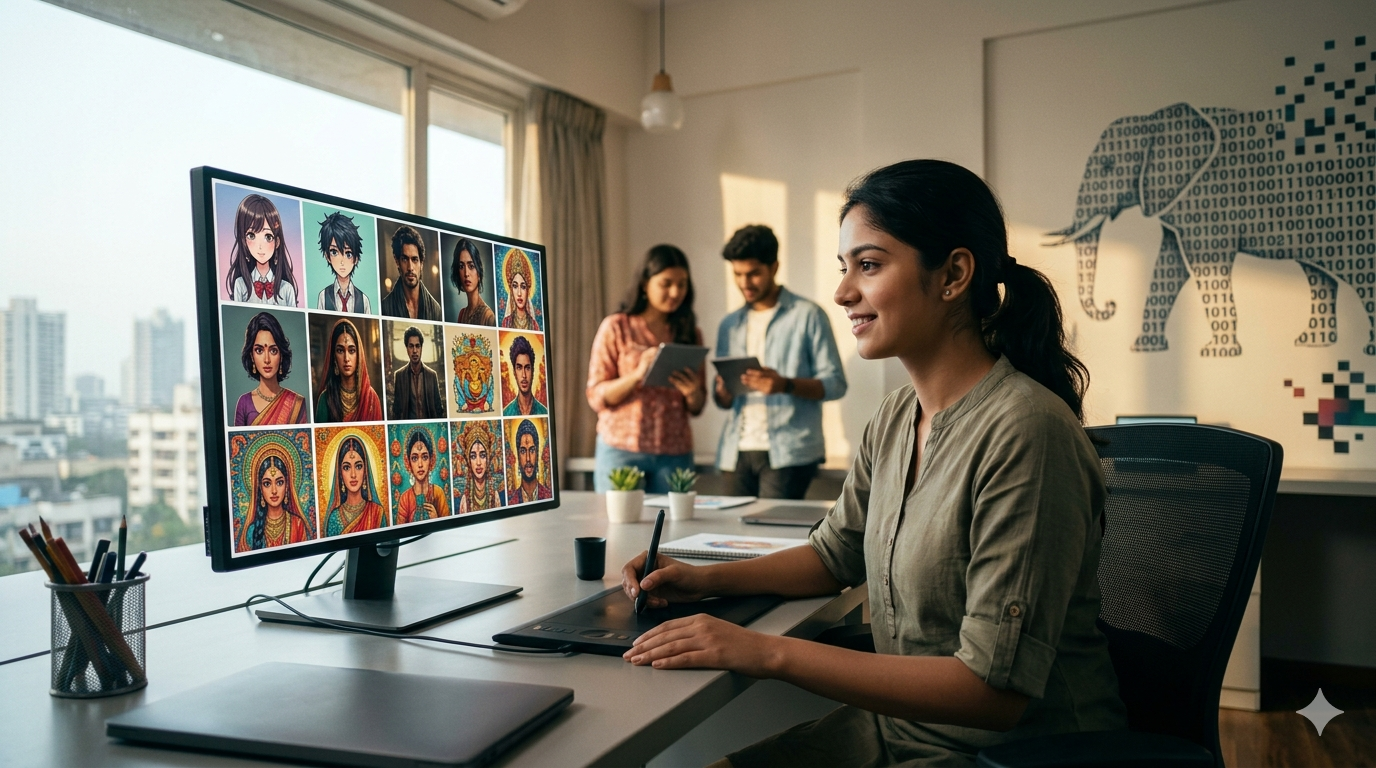
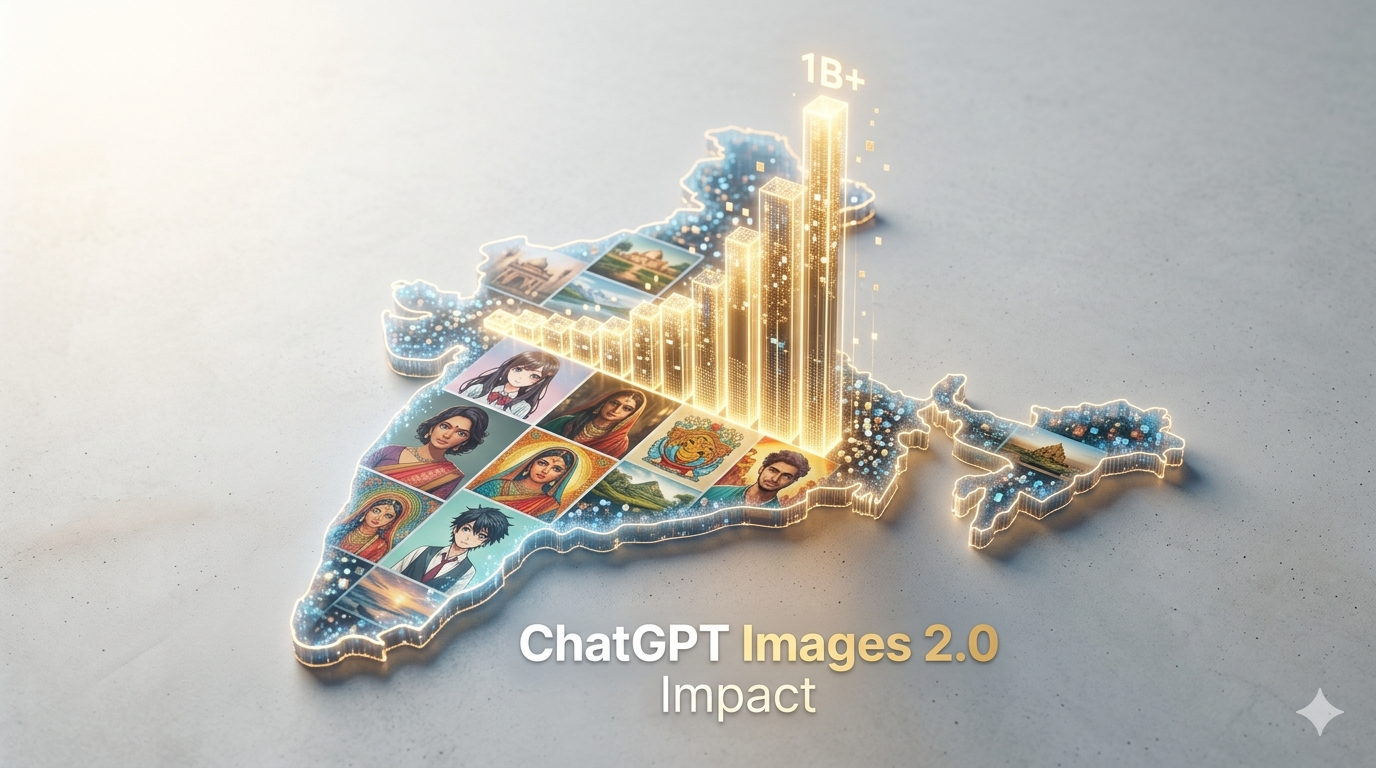
NEW DELHI — India has officially solidified its position as the global epicenter for consumer artificial intelligence adoption. In less than a month since its initial rollout, OpenAI’s ChatGPT Images 2.0 has powered the creation of over one billion images within the country. The unprecedented milestone has transformed abstract prompt-engineering into a mainstream cultural phenomenon, capturing the attention of tech leaders globally.
OpenAI Chief Executive Sam Altman publicly acknowledged the massive surge on X, stating that the platform deeply values its Indian user base. He noted that crossing the one-billion milestone so quickly highlights the incredible enthusiasm of the local creative community.
Unlike early iterations of generative models that primarily attracted niche developers, this version is sweeping through casual social spheres. Everyday internet users are rapidly adopting the software to craft personalized digital identities for social grids, messaging apps, and dating profiles.
The Viral Prompts Driving the Indian AI Boom
The massive volume of creation stems from highly localized, culturally resonant aesthetic trends. Indian creators are moving away from generic text-to-image requests, favoring hyper-focused, stylized formats instead.
Among the most dominant trends is the Cinematic Portrait Collage. This style generates warm-toned, layered edits featuring traditional garments, intricate jewelry, and golden-hour lighting designed to mimic luxury fashion campaigns.
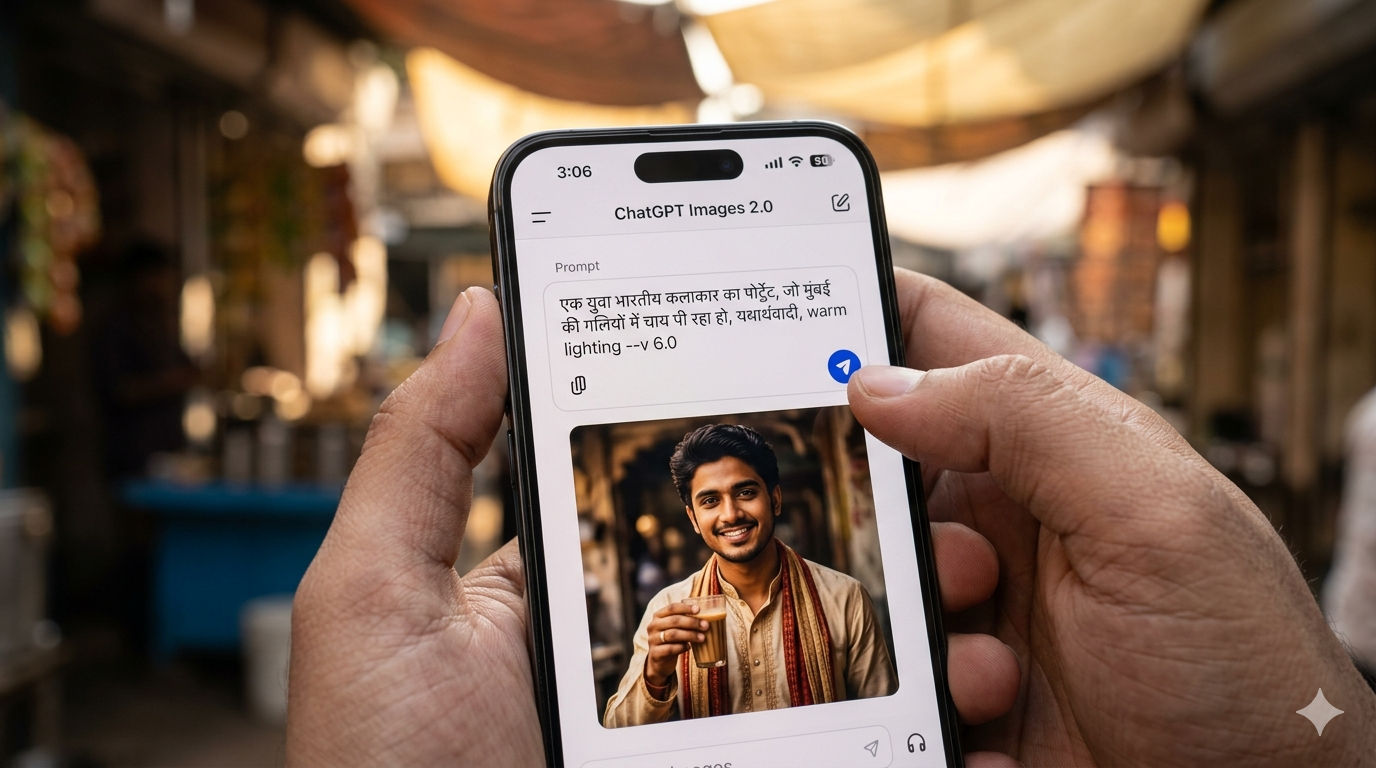
Another massive driver on short-video platforms is the Mini Me World phenomenon. Users are generating tiny, three-dimensional animated versions of themselves positioned within real-world environments like offices, kitchens, or bedrooms.
Additional viral formats include:
Anime & Manga Transformations: Converting standard personal selfies into dramatic comic book art styles.
Chibi Sticker Packs: Generating tiny cartoon assets featuring local slang for messaging applications.
Travel Postcards: Scrapbook-style vacation edits utilizing dreamlike aesthetics and underwater portrait layers.
Technical Enhancements Fueling Mainstream Adoption
The rapid adoption highlights a massive shift in how everyday users interact with visual software. Early iterations of generative imaging tools frequently struggled with localized cultural contexts, often producing anatomical errors or absolute gibberish when tasked with rendering textual elements.
ChatGPT Images 2.0 addresses these pain points directly with enhanced text rendering and robust multilingual processing. Users can input mixed-language commands without needing complex design terminology to achieve precise, high-definition outputs.
This ease of access has democratized creative expression. Individuals who lack formal training in complex design software can now produce clean, platform-ready graphics instantly. This shift is actively changing how people approach photo management, personal branding, and online portfolios.
Industry Impact: What It Means for Digital Content Creators
The sheer volume of visual content hitting the web is creating a secondary demand for specialized processing tools. While generative models excel at producing fresh concepts from text, modern creators still face major hurdles when attempting to integrate these assets into real-world workflows.
Raw AI outputs are frequently burdened by imperfect backgrounds, massive file sizes, or incorrect aspect ratios that fail to comply with strict platform requirements. Consequently, the boom is driving a parallel surge in the use of automated post-processing platforms.
To bridge the gap between prompt generation and polished deployment, creators are turning to utility suites like MakeMyVisuals. These systems help users refine raw generative files via an intuitive
Whether an individual needs to
Furthermore, using an advanced
Frequently Asked Questions
Why is ChatGPT Images 2.0 more popular in India than previous versions?
The updated model features vastly superior text rendering capabilities and understands complex, mixed-language cultural prompts. This eliminates the technical barriers that previously restricted AI design tools to professional developers.
Where are users mostly sharing these AI-generated images?
The vast majority of these graphics are appearing as Instagram Stories, customized WhatsApp sticker packs, personalized avatar profile pictures, and high-end portraits on dating applications.
How can I make my AI-generated photos look more professional?
Raw AI generations often contain messy backdrops or awkward borders. Utilizing an explicit
Final Takeaway
India's swift crossing of the one-billion image threshold proves that generative AI is no longer a futuristic novelty. It is now a fundamental component of modern human expression and digital communication.
As the volume of synthetic imagery continues to climb, the ability to clean, edit, and optimize those files will separate standard creators from true professionals. For those looking to refine their viral AI portraits, strip away unwanted backdrops, or prepare assets for commercial platforms, utilizing the specialized suite at MakeMyVisuals ensures your graphics remain polished, fast-loading, and thoroughly professional.
Related Guides & Articles
- GTA 6 Launch Guide Reveals the Settings PS5 and Xbox Players Should Change First
- 10 Free Online Puzzle Games You Can Play Directly in Your Browser
- Best Free Brain Games to Play Online Without Downloading
- Photo Editing Quiz: Test Your Knowledge of Image Editing Basics
- Why Some Small Brands Are Getting More Attention Than Big Companies
- AI Agents Are Getting Smarter: What Can They Actually Do in 2026?
