Why Some Small Brands Are Getting More Attention Than Big Companies
Walk through any social feed today and you will notice a strange shift. Massive corporations with billion-dollar ad budgets are getting scrolled past in milliseconds, while a three-person startup operating out of a spare bedroom racks up millions of organic views.
So what changed? The rules of consumer attention flipped completely.
Understanding why some small brands are getting more attention than big companies comes down to speed, visual agility, and human connection. Legacy corporations move like cargo ships, needing six months and four executive committees just to approve a single social media graphic. Meanwhile, nimble independent brands spot a cultural moment at breakfast and publish a polished campaign by lunch.
1. Speed Beats Budget in Modern Marketing
In the traditional advertising era, money bought distribution. If you owned the biggest television slot or billboard, people had no choice but to look at your message.
Today, algorithms reward relevance and engagement rather than raw ad spend. Small businesses have an unfair structural advantage because they lack corporate red tape.
Zero Approval Bottlenecks
When a major retail chain wants to launch a seasonal promotion, the creative brief passes through brand managers, legal teams, and external agencies. By the time the campaign goes live, the trend has already died.
Small founders talk directly to their customers every morning. They hear an objection in the comments, shoot a quick product demo on their phone, clean up the visuals, and publish it within an hour. That responsiveness builds instant trust.
Rapid Visual Iteration
Testing creative variations used to require expensive studio reshoots. Small teams now rely on browser-based creative workflows to test five different ad angles in a single afternoon.
For example, instead of paying a photographer to reshoot a skincare bottle against different backdrops, a lean marketer can use an AI background remover to isolate the product and test lifestyle scenes versus clean studio colors immediately. Rapid testing reveals what actually stops the scroll without draining cash reserves.
2. The Rise of Unfiltered Authenticity Over Corporate Polish
Consumers have developed an automatic blind spot for overly sanitized corporate advertising. Stock photography, scripted testimonials, and generic brand slogans feel distant and transactional.
Small brands win because they put real faces, honest struggles, and behind-the-scenes craftsmanship front and center.
Founders as Media Channels
People connect with humans, not faceless logos. When a founder explains why they obsess over fabric stitching or how a batch of coffee beans went wrong, audiences lean in.
This vulnerability creates emotional equity that a multinational conglomerate simply cannot manufacture. Big companies struggle to sound human because every public sentence is filtered through risk-averse PR departments.
Relatable Everyday Aesthetics
High-converting visual content no longer looks like a glossy magazine spread. It looks native to the platform where people spend their time.
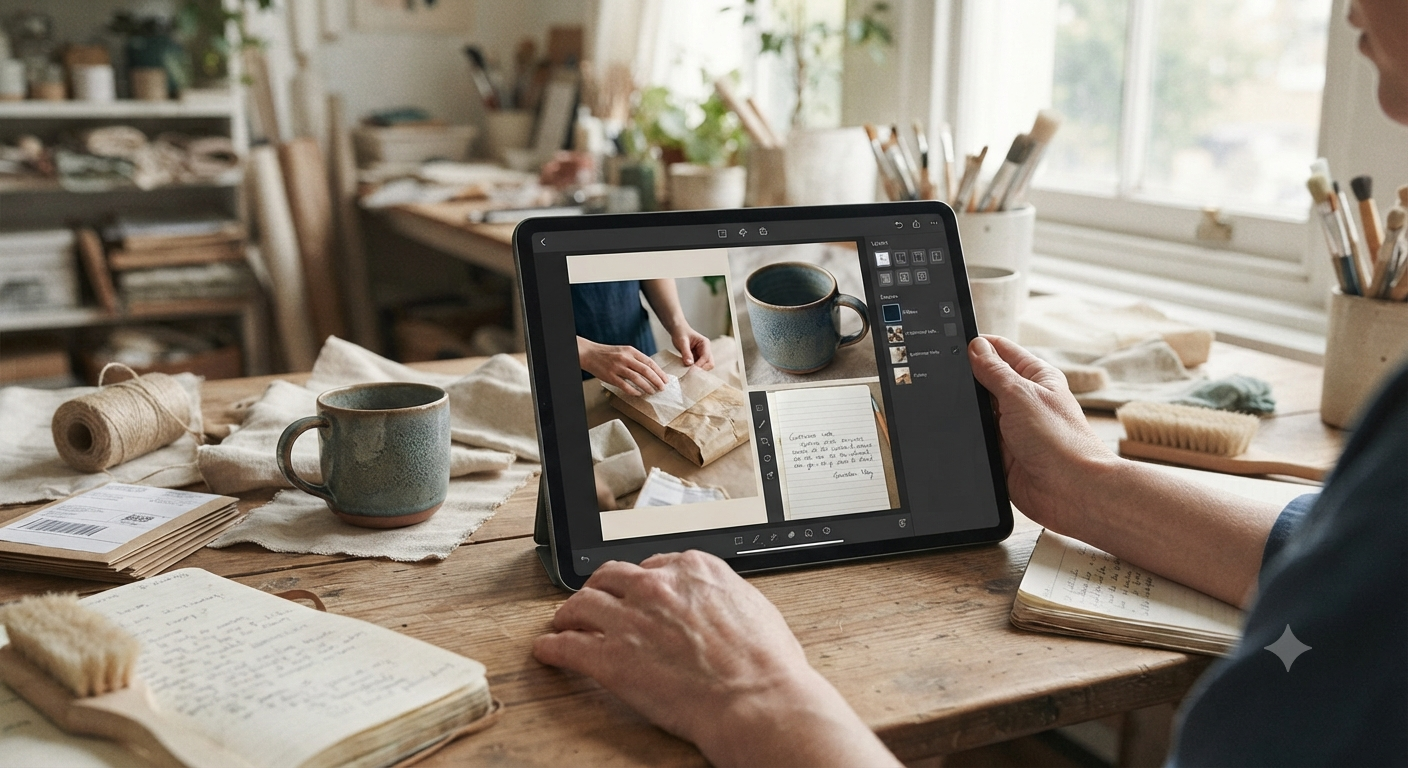
However, authentic does not mean sloppy. Even candid product shots need clean framing, legible typography, and balanced lighting. Using a collage maker lets small brands combine behind-the-scenes packaging clips, customer reviews, and close-up product textures into a single thumb-stopping carousel post.
3. Visual Consistency Without Enterprise Agency Costs
One of the biggest myths in business is that looking like a category leader requires a massive design retainer. In reality, visual authority comes from discipline and repeatable systems.
Smart small brands punch far above their weight class by standardizing their visual identity across every customer touchpoint.
Studio-Grade Product Presentation
When a shopper lands on an independent online store, they make a subconscious trust judgment in less than three seconds. Cluttered backgrounds, uneven lighting, and mismatched aspect ratios scream amateur hour.
Boutique brands solve this by running every catalog photo through an ecommerce product studio workflow. By pairing a free background remover with subtle shadows and cohesive brand palettes, a startup can make kitchen-table photography look like a high-budget commercial shoot.
Color Psychology and Instant Recognition
Big brands guard their brand guidelines fiercely, yet smaller competitors often outperform them by owning a bold, unmistakable visual signature. Think of how certain indie beverage or wellness brands dominate shelf space and social feeds using two high-contrast colors.
Even apparel and lifestyle startups save thousands on seasonal lookbooks by testing colorways digitally. With a portrait cloth recolor tool, a small fashion label can showcase a single jacket in six seasonal shades without manufacturing extra samples or booking another model.
4. Micro-Communities Outperform Mass Broadcasting
Big companies try to appeal to everyone at once. When you try to please millions of diverse demographics simultaneously, your messaging becomes watered down and forgettable.
Small brands thrive by focusing intensely on a specific tribe with shared values, inside jokes, and specific problems.
Niche Obsession Creates Superfans
Rather than chasing broad awareness, winning small brands build deep loyalty within tight niches. Whether it is ultrarunners, mechanical keyboard builders, or eco-conscious pet owners, niche audiences reward brands that truly understand their subculture.
When customers feel seen, they do your marketing for you. They share unboxing videos, defend the brand in forums, and bring friends into the ecosystem organically.
Two-Way Conversations Instead of Monologues
Enterprise social accounts rarely reply to comments with genuine personality. Small brands treat their comment sections and direct messages like a neighborhood shop counter.
Asking followers to vote on packaging designs or new flavors turns passive buyers into active co-creators. People rarely ignore a product they helped design.
5. How to Build an Attention-Grabbing Brand Strategy Step by Step
Capturing market share from established giants requires a deliberate, repeatable playbook. Follow these practical steps to sharpen your brand presence without inflating your overhead.
Step 1: Audit Your First-Impression Visuals
Open your website, social profiles, and marketplace listings on a mobile phone. Look at your hero banners, thumbnails, and product grids with fresh eyes.
If your product photos have distracting room clutter or yellowish lighting, clean them up immediately. Use an online background eraser or transparent background maker to strip away distractions and place your items on clean, intentional backdrops.
Step 2: Optimize Speed Across Every Digital Touchpoint
Attention evaporates the second a webpage lags. Heavy, unoptimized images are the number one killer of mobile conversion rates for small businesses.
Before uploading any visual asset to your store or blog, run it through an auto image compressor to slash file sizes while keeping crisp visual clarity. Fast-loading pages also earn stronger organic rankings on Google.
Step 3: Standardize Dimensions for Every Platform
Cropped text and awkwardly stretched photos instantly erode brand credibility. Each social network and ecommerce marketplace demands strict aspect ratios.
Batch-prepare your campaign graphics using an online image resizer so every Instagram story, Pinterest pin, and Amazon listing fits its container perfectly. Next-gen formats also matter, so convert heavy legacy files using a format converter into fast-loading WebP files.
Step 4: Polish Your Behind-the-Scenes Operations
Brand perception extends beyond public social posts. Every invoice, pitch deck, partnership contract, and media kit shapes how collaborators and press outlets view your professionalism.
Streamline your outreach materials with a smart document assistant and finalize vendor agreements cleanly using an online signature maker. Operational polish signals that your business is reliable and ready for growth.

6. Common Marketing Mistakes That Keep Small Brands Invisible
Even passionate founders accidentally sabotage their visibility by copying outdated big-company playbooks. Avoiding these common traps will immediately separate your brand from stagnant competitors.
- Imitating Corporate Jargon: Using stiff buzzwords like "synergy" or "industry-leading solutions" makes a small brand sound insecure. Speak in plain, direct language that sounds like a helpful friend.
- Ignoring Hair and Edge Details in Visuals: Sloppy cutouts with jagged white halos around hair or intricate product edges ruin ad performance. Always rely on an HD background remover with built-in hair edge refinement so composites look natural.
- Spreading Thin Across Every Channel: Trying to post daily on seven platforms leads to burnout and mediocre content. Dominate one or two channels where your ideal buyers actually hang out.
- Skipping Mobile Preview Checks: Over seventy percent of social discovery happens on small screens. Tiny fonts and cluttered graphics fail miserably on mobile displays.
7. Best Practices for Sustaining Momentum Against Industry Giants
Getting a viral spike is exciting, but building an enduring brand requires consistent execution. Anchor your weekly marketing rhythm around these proven best practices.
- Build a Reusable Visual Template System: Create five core layouts for product launches, testimonials, educational tips, and offers. Consistent framing trains audiences to recognize your posts before reading your handle.
- Use Transparent PNG Assets for Agile Campaigns: Maintain a shared cloud folder of clean, isolated product cutouts created with a PNG background remover. Having transparent assets ready lets you assemble promotional graphics in minutes.
- Combine Portrait Blur With Sharp Subject Focus: When shooting founder portraits or lifestyle shots, apply subtle portrait blur to separate the human subject from busy street or office backgrounds.
- Document Customer Wins Weekly: Turn real customer support emails, unboxings, and before-and-after transformations into regular social proof stories.
If you want to sharpen your eye for cohesive palettes and layout discipline before launching your next campaign, you can practice these brand consistency and color theory skills with our free interactive module.
Frequently Asked Questions (FAQ)
Why do consumers trust small brands more than big corporations today?
Modern buyers value transparency, direct accountability, and shared values. Small brands feel accessible because founders interact openly with customers, respond quickly to feedback, and demonstrate genuine passion for their craft rather than hiding behind scripted corporate messaging.
How can a small brand look professional without hiring a creative agency?
Small teams can achieve agency-level visual quality by standardizing their brand colors, fonts, and photography workflows. Using AI-powered browser tools like an auto background remover, image resizer, and product studio allows founders to produce clean, cohesive marketing assets in minutes at virtually zero cost.
What image format is best for fast-loading websites and online stores?
WebP is generally the best format for modern websites because it delivers superior compression and transparency support at much smaller file sizes than JPEG or PNG. For design workflows that require lossless cutouts and layering, keep master files as transparent PNGs and convert web uploads to WebP.
How do I remove a white background cleanly without ruining fine edges like hair or fur?
Standard magic wand erasers often leave harsh pixel halos around delicate textures. Use an AI background remover equipped with dedicated edge refiner and hair edge refinement technology, which detects semi-transparent strands and preserves natural feathering against new solid or lifestyle backgrounds.
Does image file size actually affect my Google search rankings and ad performance?
Yes, significantly. Large, uncompressed images slow down page load speeds, which increases bounce rates and hurts Core Web Vitals scores on Google. Compressing images before publishing improves user experience, boosts organic SEO visibility, and lowers wasted ad spend from impatient mobile visitors.
Ready to Make Your Brand Impossible to Ignore?
You do not need an enterprise marketing budget to capture massive attention—you just need sharper stories, faster execution, and visuals that stop the scroll. Explore MakeMyVisuals today to remove backgrounds, enhance product photos, compress web assets, and build a standout brand identity in minutes.
Related Guides & Articles
- GTA 6 Launch Guide Reveals the Settings PS5 and Xbox Players Should Change First
- 10 Free Online Puzzle Games You Can Play Directly in Your Browser
- Best Free Brain Games to Play Online Without Downloading
- Photo Editing Quiz: Test Your Knowledge of Image Editing Basics
- AI Agents Are Getting Smarter: What Can They Actually Do in 2026?
- How to Make an Image Sharper Without Creating Unnatural Edges
