Google Announces Fitbit Air Launch for Indian Market: A New Era of Discreet Health Tracking
Market Entry and Strategic Vision
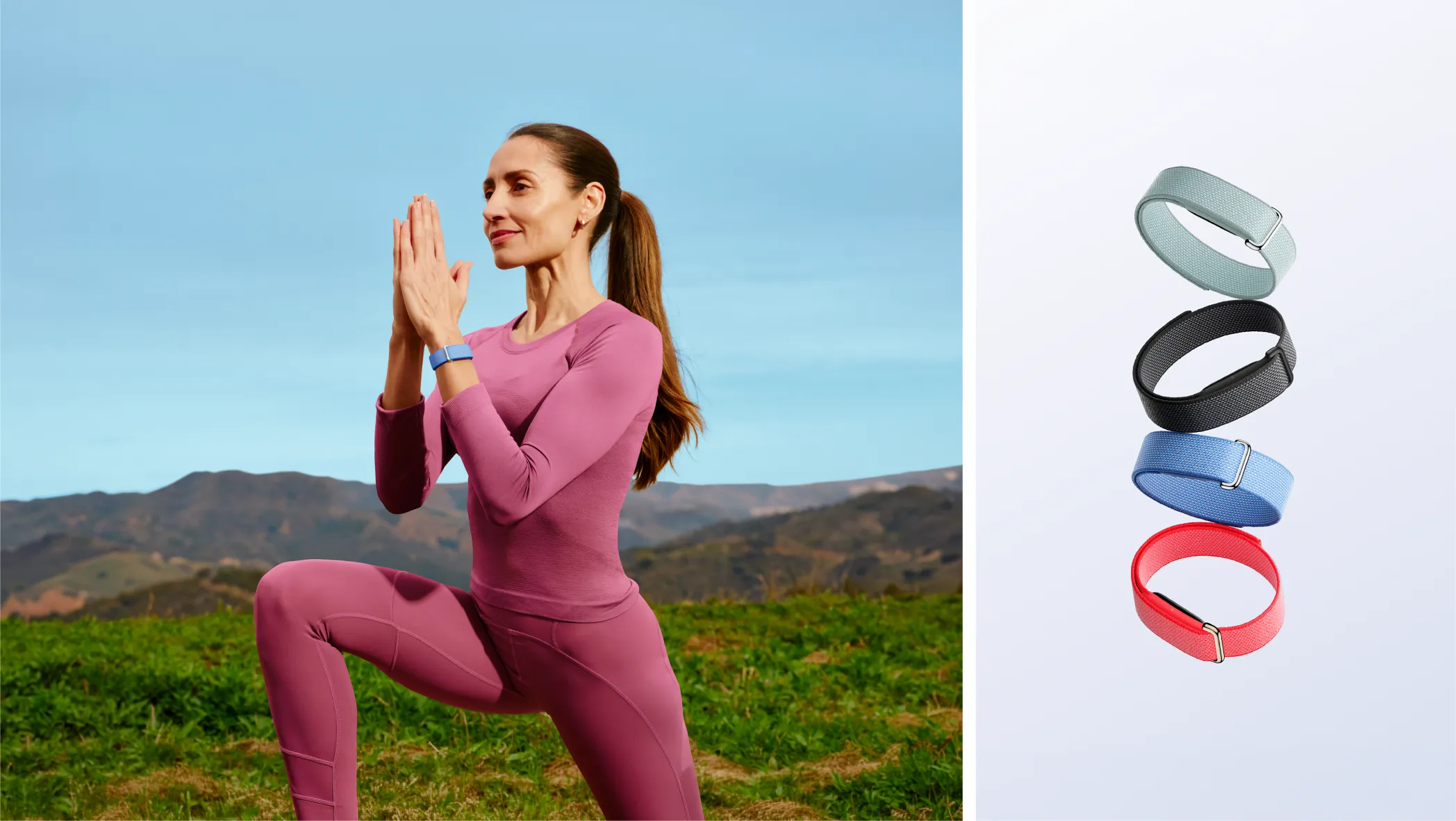
India’s wearable tech scene is about to hit a major turning point. On September 30, 2026, Fitbit is officially pulling the curtain back on the Fitbit Air—a device built specifically to combat the "smartwatch fatigue" that’s been plaguing the market. We're talking about consumers who are tired of bulky, screen-heavy devices demanding constant attention. By ditching the screen entirely, Fitbit is shifting the focus toward unobtrusive, constant monitoring that actually fits into a real life, not one interrupted by notification pings.
This launch isn't random; it’s a direct response to the growing hunger for minimalist wellness tools. People today want data that's accurate and actionable, but they’ve had enough of the digital clutter that comes with standard smartwatches. The Fitbit Air hits this sweet spot by packing high-fidelity sensors into a tiny, pebble-sized frame. It’s designed to be worn all day—and all night—without you even noticing it’s there, whether you’re deep in a workout or drifting off to sleep.
Technical Specifications and Health Insights
Don't let the modest look fool you. Beneath the minimalist exterior, the Fitbit Air is a powerhouse. It uses the same high-end sensors you'd expect to track heart rate, heart rhythm for Afib detection, SpO2 levels, and deep sleep stages. All that raw data feeds into the Google Health Coach, which serves up a clear, simplified view of what’s happening under the hood of your own physiology. If you’re the type who likes to log gym progress or organize fitness data, our smart document assistant keeps those personal progress logs secure, clean, and right at your fingertips.
In the Indian market, battery life is the ultimate make-or-break feature. The Fitbit Air crushes this by offering a full week of usage on a single charge. Need a quick boost? You get a full day of utility in just five minutes of charging. Since sleep tracking is a non-negotiable priority for the health-conscious, the lightweight, "forget-it’s-there" design is a massive win. And for those of you putting together visual performance reports, don't forget to check out our product studio to make your progress graphics look polished and professional.
Design and Personalization Options
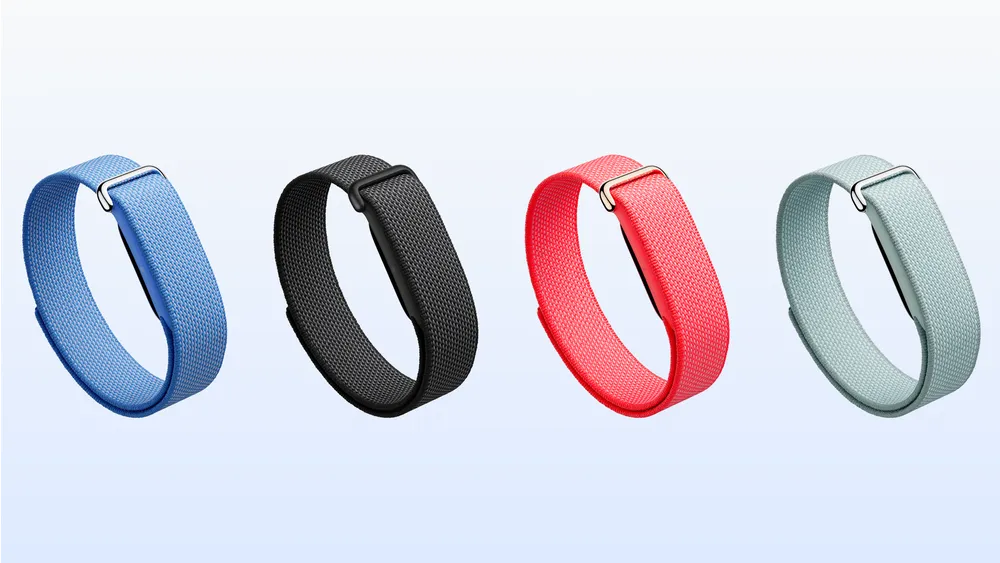
Fitbit is betting big on the accessory angle with the Air. Because the hardware itself is just a compact, unobtrusive pebble, the entire aesthetic shifts depending on how you wear it. You can swap the core unit between a Performance Loop, an Active Band, or an Elevated Modern Band. This versatility is key; it means the device can look like a piece of jewelry in the morning and a dedicated training tool by the afternoon.
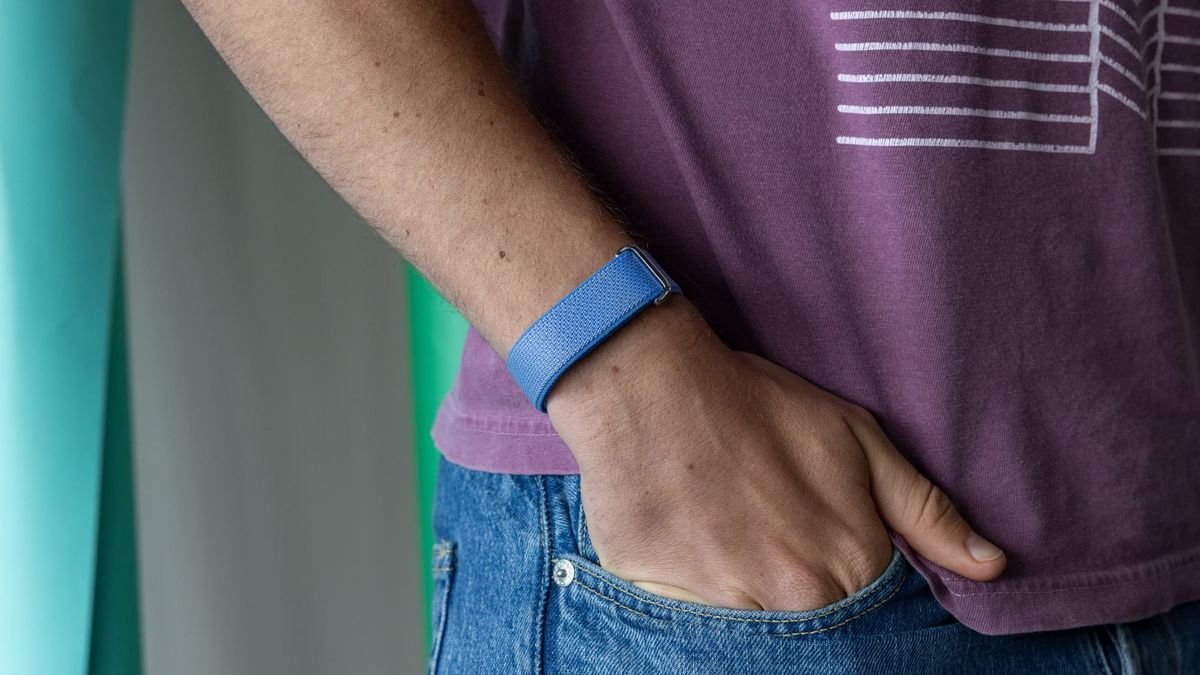
For the professionals among us who need to present activity logs or clean up assets for a digital portfolio, high-resolution clarity is non-negotiable. If you need to handle specific image resizing tasks to make your content pop, you're covered. Likewise, if you’re trying to figure out which band color complements your daily work wardrobe, an online recoloring tool lets you visualize your potential style choices before you even commit to the hardware.
Impact Analysis and Industry Outlook
Why launch a screenless, budget-friendly tracker in India right now? It’s a calculated play for the "entry-level premium" market. Let’s be honest: the market is currently flooded with budget smartwatches that look flashy but fail on the basics, like sensor accuracy or long-term durability. Fitbit is taking a different road. By locking into the Google Health Coach ecosystem, they’re choosing to win on trust and data quality rather than just throwing a pile of questionable hardware specs at the wall.
This device acts as the perfect bridge for users who want the benefits of health tracking without the constant digital noise. It’s also an entry point into a smarter way of managing health data. As the ecosystem grows, so do the tools that support it. Whether you need an AI background remover to clean up your product photography or a professional signature maker for official health contracts, the digital landscape is evolving rapidly. Looking ahead, AI-driven health insights won't just be a "nice to have"—they'll be the baseline expectation for every wearable hitting the Indian market.
Frequently Asked Questions
When will the Fitbit Air be available for purchase in India?
Clear your calendars for September 30, 2026, for the official announcement. You’ll be able to grab your own device via the Google Store or authorized retail partners starting October 2, 2026.
What is the retail price of the new device?
The Fitbit Air is landing at an aggressive ₹13,999. That price point also bundles in a three-month trial of the Google Health Premium service, giving you a head start on your data journey.
Is this device waterproof for swimming or intense training?
Absolutely. The Fitbit Air is built for people who move. The Active Band is specifically designed to be sweatproof and rugged enough to handle the intensity of a tough gym session or an outdoor run, so you won't have to worry about the elements.
Does the Fitbit Air require the Google Health App?
Since the tracker itself doesn't have a screen, the Google Health app is your primary interface. It’s where you’ll go to visualize the deep health insights and historical data collected throughout your day.
As you dive into the new features of the Fitbit Air, make sure your digital presence—from health documentation to fitness social media posts—is perfectly dialed in. Swing by MakeMyVisuals to handle everything from auto compression for those heavy workout datasets to collage makers for your transformation journey. We’ve got the technical assets you need to document your success as effectively as the Fitbit Air tracks your heartbeat.
The shift toward screenless wearables marks a move toward intentional health. No more doom-scrolling, no more notification fatigue, and no more distraction. Just you, your metrics, and a better understanding of how your body moves. It’s a clean, efficient approach to personal wellness, and it’s arriving just in time to reset our relationship with our tech. Keep your tools sharp, your documentation organized, and your goals in clear sight as we enter this new phase of connected health.
When we talk about the future of wearables, we’re usually talking about bigger screens or faster processors. Fitbit is zigging while the rest of the market zags. By focusing on the user experience of "forgetting the tech," they are acknowledging that the best gadget is the one that works for you without demanding to be the center of your universe. It’s refreshing, it’s necessary, and it’s undoubtedly going to change how we view our daily health benchmarks.
If you're already planning your transition to the Fitbit Air, start prepping your data workflow now. Whether you're managing complex health charts or just keeping a clean feed of your activity, having the right image and documentation tools is the final piece of the puzzle. The technology is here to support your lifestyle, not dictate it. Use the Fitbit Air to listen to your body, and use the right supporting tools to make that journey look as good as it feels.
Ultimately, the value of the Fitbit Air won't be found in its hardware specs alone. It will be found in the consistent, reliable patterns you uncover about your sleep, your stress, and your stamina. By removing the screen, Fitbit has effectively removed the barrier between you and your health data. It’s time to stop looking at a screen and start looking at the results.
Related Guides & Articles
- How to Create a Photo Collage for Instagram Posts and Stories
- How to Create a Digital Signature Online for Free
- Realme 16 Pro Harry Potter Edition Debuts to High Fan Expectations
- Image Dimensions for Every Major Social Media Platform (2026)
- How to Remove Background from Jewelry Photos Without Losing Details
- What Is the Best Image Compression Workflow for a Website?